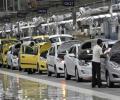
The government on Friday announced several relief measures including deferring one-time registration fee, lifting the ban on purchase of petrol/diesel vehicles by its departments and allowing higher depreciation, but it remained non-committal on the demand for a reduction in GST rates.
While two-wheeler sales are down 15 per cent year-on-year, passenger vehicles sales are lower by 5-7 per cent.

Increasing the duties on auto parts and putting an additional cess on petrol and diesel could drive up costs of vehicles, specially where volumes are low and localisation is not viable.

The development comes after a recent notification from the Union home ministry, which has permitted companies to resume manufacturing operations and reopening of shops in red, green and orange zones with certain riders.

Renault will start with a slew of new products that will be launched over the second half of this year and next year, apart from giving facelifts to the Kwid and Duster.

The slowdown in growth is an industry-wide trend and companies are adjusting production to bring down the inventory levels at plants as well as dealerships.

Among those who have the most to lose from India's haphazard policies are dealers selling cars made by Toyota, Mahindra & Mahindra, Daimler AG's and Tata Motors' luxury arm, Jaguar Land Rover
